Okay, guys, confession time:
I'm kind of a druggie.
Actually, I think the term my doctor prefers to use is "compliant patient," but come on -- let's call a spade a spade. On a typical day I take pills, shots, and a few drugs designed to be snorted directly up the nose. Supplement that with the occasional (nebulizer) pipe and at least a few binges of hardcore IV drugs a year, and it's tough to make the argument that I'm not completely dependent on the stuff. I'm more than a little grateful for the chance to have all these little treats in my arsenal against rejection, infection, and their old pal cystic fibrosis. And I think it's fair to say that it's come to a point where getting my daily fix is more than a habit -- it's literally a matter of life and, well, breath.
And I'm also pretty lucky, because I can tolerate almost any new drug my doctors decide to throw at me in terms of allergies or side effects. Longtime readers may remember that right before my transplant I was reacting to literally everything under the sun, but in terms of relative severity to many of my fellow journeyers down the CF road, my "no deal" meds list is pretty small, and is entirely limited to antibiotics. Even drugs like the rabbit juice (um, make that "rATG") don't seem to impact me much, and beyond a slight sense of discomfort or irritation I'm generally good to go.
And then I met Campath.
Yesterday wasn't terrible, honestly. They premedicated me with a LOT of drugs, including IV solu-medrol (steroids), a small dose of oral pred, IV zofran (anti-nausea), tylenol, and benadryl. They also ran the drug pretty slowly, with what I understand was 30mgs infusing over a period of 2 hours after a dose of prophylactic IV antifungals. And the whole time I'm sitting there kind of giggling at the process, because I think there is NO WAY I'm going to need all these drugs because, really, I'm pretty darn stoic when it comes to medical stuff. So we start the drug and I upload an episode of Project Runway on my computer (let s/he who is without reality TV show sin cast the first stone), and there we go. Easy as pie.
Easy as rancid, gross, totally disgusting pie.
About 1 hour, or halfway, into the infusion I suddenly felt extremely tired and nauseas. Approximately 30 seconds later I had my head in a hospital basin and things were not looking pretty. My long-suffering mom ran to grab the chemo nurse while I contemplated the truly gross reality that is hospital food the second time around. Trust me when I say that I will never again claim that hospital food "looks like vomit." Been there, done that, ain't going back.
After a few minutes of that awesome activity, my body decided it was done trying to rid itself of IV poison via traditional methods, and decided instead to go into hibernation mode. They checked my vitals as I stared stupidly at the machine wondering what all those pretty numbers meant, and I emerged from complete burnout only long enough to insist I wanted to continue the infusion. Then I conked out for the entire rest of the treatment and then some, which I highly recommend to anyone thinking of receiving this drug. This has reaffirmed my long-held belief that the best way to combat problems you absolutely cannot solve is to go to sleep. Because when you wake up you'll probably see things differently, be refreshed, feel ready to tackle the rest of the day, and um . . . have some really cool looking hives?
Okay, maybe not so much that last one.
The hives didn't show up for a couple of hours after finishing the treatment, which apparently isn't that uncommon with this particular drug. It started with a distracting itch on my leg, and when I went to examine it I found a couple of small red bumps. I wasn't concerned, checked my stomach and scar area only to discover more hives, and chirpily called my nurse for some additional benadryl, which she promptly brought within 5-10 minutes or so of the request. By which time I was a raging ball of hives madness. And yes, I'm serious. It was like 0 to 6 million hives in 5 minutes flat.
I'm still pretty lucky, by the way. In the grand scheme of things, vomiting, aches, fatigue, and hives aren't much to complain about, especially as it seems I got off pretty easy compared to some people. There was no closing of the throat, no scary "oh my God I can't BREATHE!" style moments, and nothing particularly remarkable about the entire event -- unless you count my lifting my shirt right up to my scar line in the hallway to show a member of the medical team (some of) my spots. Classy. Thankfully that too was a relatively minor blip, as the very old man with the walker seemed completely oblivious to my very red, very bumpy midriff at that moment. Can't say that I blame him on that score, honestly.
The truly great news is that I woke up this morning with far fewer spots and hopefully at least a some fewer t-cells. I asked the other day how long it takes Campath to "work" in the body (i.e., how long before I have the desired effect of dramatically lowered t-cell counts) and was told that the drug works actually remains in your system and continues to kill t-cells (and b-cells, by the way) for a long time after you receive it. This is why it takes so long for t-cells to regenerate after this treatment. As for how fast my own counts are going down, that appears to vary some from patient to patient. In other words, I may be taking some of these suckers home with me after all, but they're not off the hook by any stretch.
So there you have it: the good, the bad, and the totally gross. Suffice it to say that I'm pretty sure this drug would have a very low street value if offered to the general public. It is NOT a fun ride, but I trust my team wholeheartedly and truly believe they are giving me the best chance at keeping Donor Bob around for a long, long time to come.
And that, beautiful people, is a habit I'd prefer never to break.
About Me
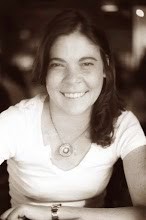
- Piper
- I am a 33-year-old wife, sister, daughter, friend, law school graduate, CFer, lifelong student of public service, blog writer, patient, Sagittarius, reader, Top chef fan, double-lung transplant recipient (twice!), and dog owner living in Colorado's beautiful Mile High City. I love all things colorful, funny, inspiring, or needlessly sarcastic. I share my city with about 2,500,000 other remarkable people, share my disease with 70,000 other beautiful souls, share my life with some unbelievable family and friends, and share my apartment with one very handsome guy and one really fat mutt with a kick-butt personality. We make it work.
Friday, June 21, 2013


Thursday, June 20, 2013
On the War(Cam)path
So in case you haven't heard, I'm back in the hospital.
Before anyone freaks out, please know that I am not "sick," at least not in the traditional, infectious sense. I don't have a virus or a bacterial infection brewing in my lungs, no fever or strange symptoms, I'm not in pain or dealing with chills or nausea . . . at least not yet, anyway.
What I have right now is what most people want: an immune system that refuses to quit. Unfortunately, in a transplant patient, too much of an immune system is definitely too much of a good thing. And in my case in particular, it appears that we may be dealing with one (or both) of the following: recurrent acute rejection (recurring inflammation in the lung tissue and airways indicating an immune reaction, nonresponsive to traditional therapies like steroids) and chronic rejection (bronchiolitis obliterans syndrome, which is basically just persistent scarring and obstruction of the airways). Either way, the one thing that's clear is that my immune system and I have reached a standoff. It's been crampin' my style for awhile now, and there just ain't room in this body for the both of us.
So I'm officially evicting my t-cells from the premises, starting today.
T-cells are a subset of white blood cells that are part of the lymphocyte family. They fight infection by attacking intruders to the body, such as viruses, bacteria, or (in some cases) foreign organs. They are the border patrol of the metaphorical country of the human body. And mine have been misbehaving to an alarming degree, which we already knew. We've tried several methods to rein these guys in, but they just can't seem to help themselves. And just in case you think I'm kidding, here's a brief recap of the therapies we've tried thus far:
Increased steroids
Added immunosuppression drugs (aka, azithromyacin)
Antithymoglobulin Rabbit, or rATG (See this post: On Rabbits and Rejection)
Photophersis (See this post: This Little Light of Mine)
And now, please welcome to the stage (drumroll please) . . . Campath.
Campath is a brand name for the generic drug alemtuzumab, which is as crazy as it is unpronounceable. In very basic medical terms, it's an antibody infusion that targets t-cells and flags them for destruction by the body, leaving the person receiving the drug with little to no mechanism infection control. The good news is this can help stabilize and sometimes even improve declining lung function due to rejection. The bad news is, well, you lose your immune system. Like, entirely. For months or even years. Small price to pay for lungs that work, right?
To bring it back to the border patrol metaphor, using photopheresis for rejection is a little like starting a civil war to distract the patrol from attacking the friendly immigrants (like, say, a transplanted organ). Photopheresis changes some of your t-cells so that your t-cells don't recognize each other and therefore begin fighting amongst themselves. Kind of a dirty trick, but hey: all's fair in love and transplant.
Campath is more like a nuclear bomb -- instead of distracting the patrol, it just annihilates them and hopes that something else (aka, IV and oral antibiotics, antifungals, and antivirals) can pick up the slack to stop the bad immigrants like bacteria and viruses. It's generally considered a riskier option because -- like most bombs -- it can come with some added casualties and damage that no one really wants to deal with. In addition to leaving me ridiculously immunocompromised, for example, this drug can also increase the chance of things like skin cancer. Thankfully, regular visits to other docs like the dermatologist for preventative screening can help out with those additional risks.
Overall, I feel good about the plan, although I haven't actually received the drug yet. I agree with my doctor that right now we need to be aggressive in wiping out these pesky little patrolmen gone rogue, and as always I'm somewhat fascinated by the complexity of modern-day transplant care. I'm grateful that we have this option and so so hopeful that it will help my awesome Donor Bob feel a little more at home in his new(ish) surroundings. And trust me, between the option of keeping Bob around and keeping those rebellious t-cells alive and hopping, well, that's just a no brainer. I've enlisted some of the best doctors in the world to serve as generals in this crazy revolution, and I have every confidence that they will bring me through it with as little collateral damage as possible.
And that makes this a fight worth picking.
Before anyone freaks out, please know that I am not "sick," at least not in the traditional, infectious sense. I don't have a virus or a bacterial infection brewing in my lungs, no fever or strange symptoms, I'm not in pain or dealing with chills or nausea . . . at least not yet, anyway.
What I have right now is what most people want: an immune system that refuses to quit. Unfortunately, in a transplant patient, too much of an immune system is definitely too much of a good thing. And in my case in particular, it appears that we may be dealing with one (or both) of the following: recurrent acute rejection (recurring inflammation in the lung tissue and airways indicating an immune reaction, nonresponsive to traditional therapies like steroids) and chronic rejection (bronchiolitis obliterans syndrome, which is basically just persistent scarring and obstruction of the airways). Either way, the one thing that's clear is that my immune system and I have reached a standoff. It's been crampin' my style for awhile now, and there just ain't room in this body for the both of us.
So I'm officially evicting my t-cells from the premises, starting today.
T-cells are a subset of white blood cells that are part of the lymphocyte family. They fight infection by attacking intruders to the body, such as viruses, bacteria, or (in some cases) foreign organs. They are the border patrol of the metaphorical country of the human body. And mine have been misbehaving to an alarming degree, which we already knew. We've tried several methods to rein these guys in, but they just can't seem to help themselves. And just in case you think I'm kidding, here's a brief recap of the therapies we've tried thus far:
Increased steroids
Added immunosuppression drugs (aka, azithromyacin)
Antithymoglobulin Rabbit, or rATG (See this post: On Rabbits and Rejection)
Photophersis (See this post: This Little Light of Mine)
And now, please welcome to the stage (drumroll please) . . . Campath.
Campath is a brand name for the generic drug alemtuzumab, which is as crazy as it is unpronounceable. In very basic medical terms, it's an antibody infusion that targets t-cells and flags them for destruction by the body, leaving the person receiving the drug with little to no mechanism infection control. The good news is this can help stabilize and sometimes even improve declining lung function due to rejection. The bad news is, well, you lose your immune system. Like, entirely. For months or even years. Small price to pay for lungs that work, right?
To bring it back to the border patrol metaphor, using photopheresis for rejection is a little like starting a civil war to distract the patrol from attacking the friendly immigrants (like, say, a transplanted organ). Photopheresis changes some of your t-cells so that your t-cells don't recognize each other and therefore begin fighting amongst themselves. Kind of a dirty trick, but hey: all's fair in love and transplant.
Campath is more like a nuclear bomb -- instead of distracting the patrol, it just annihilates them and hopes that something else (aka, IV and oral antibiotics, antifungals, and antivirals) can pick up the slack to stop the bad immigrants like bacteria and viruses. It's generally considered a riskier option because -- like most bombs -- it can come with some added casualties and damage that no one really wants to deal with. In addition to leaving me ridiculously immunocompromised, for example, this drug can also increase the chance of things like skin cancer. Thankfully, regular visits to other docs like the dermatologist for preventative screening can help out with those additional risks.
Overall, I feel good about the plan, although I haven't actually received the drug yet. I agree with my doctor that right now we need to be aggressive in wiping out these pesky little patrolmen gone rogue, and as always I'm somewhat fascinated by the complexity of modern-day transplant care. I'm grateful that we have this option and so so hopeful that it will help my awesome Donor Bob feel a little more at home in his new(ish) surroundings. And trust me, between the option of keeping Bob around and keeping those rebellious t-cells alive and hopping, well, that's just a no brainer. I've enlisted some of the best doctors in the world to serve as generals in this crazy revolution, and I have every confidence that they will bring me through it with as little collateral damage as possible.
And that makes this a fight worth picking.
Wednesday, June 12, 2013
Milestones
Today marks 3 years from the day my beloved Donor Bob gave me the gift of life in the form of his precious lungs. It marks 3 years of all sorts of wonderful, from turning 30 to watching my sister come into her own as a fabulous designer; from meeting the children of some of my best friends to meeting someone absolutely amazing in every way. It marks 3 years of breathing, celebrating, and LIVING (with all the awesome ups and downs that word entails) and it marks 3 years of continued involvement in the quest to find a CURE for this little monster -- for all of us. The past 3 years have been hectic, amazing, scary, irresistible, indescribable, and -- above all -- beautiful. Every breath is a reminder of the gift I've been given, of the power we all have as humans to make a positive difference, and of the fact that too many out there still struggle for air. It is a lesson I learn and relearn daily, all because of an unknown stranger who had the grace to teach it me as his last act on earth.
And I am grateful.
Today also marks about 6 months since my PFTs began declining. So far, despite multiple treatments, IVs, bronchs, CT scans, and other fun procedures, we have yet to stabilize the numbers to my doctor's liking. So today now marks 2 days since I met with the doctors at a different, affiliated hospital to (re)start photopheresis, a blood treatment that may help stabilize my numbers by confusing the heck out of my immune system, for lack of a better description. (For those of you who like details, check out this post on the ins and outs of photo -- with pictures! -- for more information.) In addition, we're going to add a fourth immunsuppressant drug to my daily routine (this in addition to the prograf, cellcept, and prednisone I'm currently taking), and run some additional tests for other causes of lung damage such as reflux. Pending results on those treatment options, we'll make some tough decisions, but the end goal is get Donor Bob to stick around for as long as possible. What can I say but that after 3 years, I've become pretty attached to him.
And still I am grateful.
I'm grateful because today I got to take a jog/walk down to my old apartment, the one I lived in right after I left the Upper West Side. This was the apartment I lived in when I was lawyer, when I was first told I needed a transplant, when I got evaluated, when I started this blog, and when I first met Mr. Sampson Bear. It was also an apartment I lived in when I was sick. Like really sick. I stood out front of it today, in my running clothes, and I breathed. I breathed because I still have breath to do it. I breathed because Donor Bob, however down, is not yet out. I breathed because together we are still standing, we are still moving forward. And I breathed because it never hurts to take a moment to look back on where you came from -- even when you're not sure where you're going.
And then I turned around and went home. Round trip, it was exactly 3 miles.
Gratefully.
And I am grateful.
Today also marks about 6 months since my PFTs began declining. So far, despite multiple treatments, IVs, bronchs, CT scans, and other fun procedures, we have yet to stabilize the numbers to my doctor's liking. So today now marks 2 days since I met with the doctors at a different, affiliated hospital to (re)start photopheresis, a blood treatment that may help stabilize my numbers by confusing the heck out of my immune system, for lack of a better description. (For those of you who like details, check out this post on the ins and outs of photo -- with pictures! -- for more information.) In addition, we're going to add a fourth immunsuppressant drug to my daily routine (this in addition to the prograf, cellcept, and prednisone I'm currently taking), and run some additional tests for other causes of lung damage such as reflux. Pending results on those treatment options, we'll make some tough decisions, but the end goal is get Donor Bob to stick around for as long as possible. What can I say but that after 3 years, I've become pretty attached to him.
And still I am grateful.
I'm grateful because today I got to take a jog/walk down to my old apartment, the one I lived in right after I left the Upper West Side. This was the apartment I lived in when I was lawyer, when I was first told I needed a transplant, when I got evaluated, when I started this blog, and when I first met Mr. Sampson Bear. It was also an apartment I lived in when I was sick. Like really sick. I stood out front of it today, in my running clothes, and I breathed. I breathed because I still have breath to do it. I breathed because Donor Bob, however down, is not yet out. I breathed because together we are still standing, we are still moving forward. And I breathed because it never hurts to take a moment to look back on where you came from -- even when you're not sure where you're going.
And then I turned around and went home. Round trip, it was exactly 3 miles.
Gratefully.
Monday, June 3, 2013
Community Faces: Julie Wagoner
One of the exciting things about the Community Faces Project is the number of people without CF who have written posts. Parents, siblings, spouses/partners, family members, and friends of people with CF (crazy fools) bring a totally unique perspective to the table -- and it's a viewpoint that I, for one, never tire of hearing (or of learning from).
This is one of those stories. Written by an amazing CF mom, it captures that moment of recognition so many of us remember when we first understood the reality of cystic fibrosis. Perhaps not surprisingly, I relate to this story on an extremely personal level. I remember wandering into my grandmother's living room as a child, plonking myself down on the floor next to an end table that doubled as a bookshelf, and skimming the titles until my eye landed on the words "cystic fibrosis." The book was Frank Deford's memoir of his daughter's short but beautiful life, Alex: the Life of a Child. I snuck it back to my room and spent the next week or so turning its pages and shedding tears. Years later I would win the award from the National CFF that bears her name (that's Mr. Deford and myself on the right, holding the amazing painting I received for the award). She remains to this day one of the many CF spirit guides I carry with me on this journey.
CF was already a huge part of my life when I read about Alex's heartbreaking and inspiring life. But for many people who read the best-seller or watched the movie made of her life, that part of the picture would only unfold later. And this is Julie's wonderful story.
Community Faces: Sounds from the Underground
Name: Julie Wagoner
Relationship to CF: Mom to an almost 15 year-old CF superhero named Gage. DF508/N1303K, diagnosed at 23 months, upper right lobectomy at 7, two port placements, lots of bronchs and IVs, kidney stones, one sinus surgery, and a partridge in a pear tree.
CF Perspective: CF has been a struggle, but not one without rewards. The current reward is facing the dreaded teen years, which are absolutely kicking my butt! But, quite honestly, I wouldn't have it any other way.

This is one of those stories. Written by an amazing CF mom, it captures that moment of recognition so many of us remember when we first understood the reality of cystic fibrosis. Perhaps not surprisingly, I relate to this story on an extremely personal level. I remember wandering into my grandmother's living room as a child, plonking myself down on the floor next to an end table that doubled as a bookshelf, and skimming the titles until my eye landed on the words "cystic fibrosis." The book was Frank Deford's memoir of his daughter's short but beautiful life, Alex: the Life of a Child. I snuck it back to my room and spent the next week or so turning its pages and shedding tears. Years later I would win the award from the National CFF that bears her name (that's Mr. Deford and myself on the right, holding the amazing painting I received for the award). She remains to this day one of the many CF spirit guides I carry with me on this journey.
CF was already a huge part of my life when I read about Alex's heartbreaking and inspiring life. But for many people who read the best-seller or watched the movie made of her life, that part of the picture would only unfold later. And this is Julie's wonderful story.
Community Faces: Sounds from the Underground
Name: Julie Wagoner
Relationship to CF: Mom to an almost 15 year-old CF superhero named Gage. DF508/N1303K, diagnosed at 23 months, upper right lobectomy at 7, two port placements, lots of bronchs and IVs, kidney stones, one sinus surgery, and a partridge in a pear tree.
CF Perspective: CF has been a struggle, but not one without rewards. The current reward is facing the dreaded teen years, which are absolutely kicking my butt! But, quite honestly, I wouldn't have it any other way.

The year was 1986, the year I turned 14. I was a scrawny girl, burdened with prepubescent gangly limbs, stringy long hair, sporting sunburn and freckles, skinned knees and mosquito-bitten ankles scratched raw. It was summer. We were visiting family at the beach and I sat huddled against a door frame, my ear to the wall, peeking out from behind my cousin's bedroom door in order to see the television in the family room. My tears were hidden there, my throat sore from holding back sobs, embarrassed at the thought of being caught and teased, but unable to look away from the story unfolding on the grainy screen.
It was about a little girl, younger than myself, and she was dying. I'd seen plenty of movies before, about disease, about war, about monsters. I confess to being tender-hearted, though I hid it from most. But something about this story hurt in a way that was different, frightening. I grieved. I was grieving for a girl I had never, nor would ever, meet.
Nothing could be done for her? There was nothing? Surely that couldn't be right. Medicine could fix so much. How was it that this tiny young girl had no life ahead of her? I couldn't understand.
Incurable.
I watched to the inevitable end and stayed in my cousin's room that night, unsettled, sad, and confused. And while my vacation went on, as did my summer, she lingered in my thoughts. I found the book that the movie was based on at the library once we'd returned home, but I could not bring myself to actually check it out. It was too harsh, too cruel. Instead, I returned each week to find it, still on the shelf where I'd hidden it, and sat alone in a darkened corner, quietly reading the entire story, written in her father's hand, once more hiding my tears. No other piece of writing ever quite affected me the way that book did.
Had I known? Looking back I wonder if something deep inside me knew, even then, that the disease that stole this child from her parents lurked inside of me, hidden, silent, waiting. If some base instinct in my body foretold of what I would pass on to my son so many years later. If some part of myself had grieved, even as a child, not only for her, but for myself.
The movie was 'Alex: The Life of a Child', based on the book, by Frank Deford. It was about a girl named Alex, who died in 1980 at the age of 8 from cystic fibrosis.
My son, Gage, was born in 1998 and diagnosed with the same disease in July of 2000, 14 years to the month since I sat in that bedroom and watched the story of Alex. And because of her and her story, our lives are improved. Saved.
I will always carry a piece of her in my heart.
Awareness. Pass it on.
Friday, May 31, 2013
On Playing the Tiles
It's the end of May, and also the end of National Cystic Fibrosis Awareness Month here in the states, but don't worry: we still have lots of Community Faces guest blogs to post. Because, after all, CF doesn't stop just because May is over -- and neither will we.
I was thinking the other day about what "awareness" means to me in and what it might mean to the other 69,999 people all around the world who struggle against this insidious little monster. Most people I meet on the streets today have some general idea of what I mean when I say I have CF, even if I do still get a lot of responses like "that's like asthma, right?" or even the occasional "oh, yeah, I think my my dad had that once." The visibility of our disease is increasing, especially with the buzz around new drugs like Kalydeco and the use of social media to help educate and inform more people about what CF is or why research is important. I have to admit, it's nice to see an option to donate to CF at the register of my local CVS or Party City, or to go into an ER these days and not have to be asked "when did you first catch cystic fibrosis?" by 75% of the staff. The proof's in the pudding, and we ARE making an impact. Awareness, it seems, is a beautiful thing.
Recently I read a book documenting the often hilarious underworld of competitive Scrabble. You know, the board game based on drawing tiles and forming words? Confession time: I'm kinda obsessed. In the book (which is called Word Freak and is a super fun read if you like journalistic nonfiction) the author notes that it's considered bad form at Scrabble tournaments to complain too much about the tiles you draw. Everyone has the same chances at drawing either a good or a bad rack, the author explains. The thing that separates great players from merely good ones is not what they draw, but how they play the letters once they have them.
I'm sure you see where I'm going with this.
Most people would probably assume that having CF means you drew a pretty shitty set of genetic tiles. In some ways, of course, they'd be right. I'm pretty sure that no one in their right mind would ever want to be born with a currently incurable disease that attacks two of the most basic and vital acts of survival: your ability to breathe and to digest food. I'm also fairly certain no one would willingly sign up for a disease that still kills children, that causes your body to literally drown itself in its own toxic goo, and that -- just when you think it's safe to let your guard down for just a single minute -- is constantly coming up with new and often super creative "secondary" issues to throw into its deadly mix. To be honest, when new parents reach into that letter bag, I doubt that any of them are hoping to pull out a "C" and an "F" for their children.
But sometimes it happens anyway, and then what? Then it's all about how you play the game.
CF awareness, to me, is about bringing other people in to play on our (winning) team. It's about reminding ourselves and the world that we are not beaten, not even broken down, and maybe just angry enough to push ourselves to play even harder. Seeing all the faces of kids and adults with CF filling my Facebook newsfeed during this month was a constant slap in the face about why I keep searching for newer and better moves to outsmart my opponent. Because what I am most aware of, personally, is that this is not a game we can afford to lose. These people -- myself, my friends, the kids I see at Great Strides and the parents I've comforted in waiting rooms -- are not "CF statistics." They are not the faces of this disease. They are the faces of themselves. Each and every one of the 70,000 of us worldwide is the face of a perfect creation, of a person with so much to offer the world besides just some vague notion of "awareness," of someone who is way more than just a CF patient.
That is the side of awareness I want to focus on. Forget the statistics for one second -- focus your eyes on a single face. Forget the monster in the darkness -- turn your face to see the amazing people standing in the light. These are the folks who learned long ago that they had better things to do than complain about their tiles. These are the people who are playing for their lives.
Turn your head. And help us win.
I was thinking the other day about what "awareness" means to me in and what it might mean to the other 69,999 people all around the world who struggle against this insidious little monster. Most people I meet on the streets today have some general idea of what I mean when I say I have CF, even if I do still get a lot of responses like "that's like asthma, right?" or even the occasional "oh, yeah, I think my my dad had that once." The visibility of our disease is increasing, especially with the buzz around new drugs like Kalydeco and the use of social media to help educate and inform more people about what CF is or why research is important. I have to admit, it's nice to see an option to donate to CF at the register of my local CVS or Party City, or to go into an ER these days and not have to be asked "when did you first catch cystic fibrosis?" by 75% of the staff. The proof's in the pudding, and we ARE making an impact. Awareness, it seems, is a beautiful thing.
Recently I read a book documenting the often hilarious underworld of competitive Scrabble. You know, the board game based on drawing tiles and forming words? Confession time: I'm kinda obsessed. In the book (which is called Word Freak and is a super fun read if you like journalistic nonfiction) the author notes that it's considered bad form at Scrabble tournaments to complain too much about the tiles you draw. Everyone has the same chances at drawing either a good or a bad rack, the author explains. The thing that separates great players from merely good ones is not what they draw, but how they play the letters once they have them.
I'm sure you see where I'm going with this.
Most people would probably assume that having CF means you drew a pretty shitty set of genetic tiles. In some ways, of course, they'd be right. I'm pretty sure that no one in their right mind would ever want to be born with a currently incurable disease that attacks two of the most basic and vital acts of survival: your ability to breathe and to digest food. I'm also fairly certain no one would willingly sign up for a disease that still kills children, that causes your body to literally drown itself in its own toxic goo, and that -- just when you think it's safe to let your guard down for just a single minute -- is constantly coming up with new and often super creative "secondary" issues to throw into its deadly mix. To be honest, when new parents reach into that letter bag, I doubt that any of them are hoping to pull out a "C" and an "F" for their children.
But sometimes it happens anyway, and then what? Then it's all about how you play the game.
CF awareness, to me, is about bringing other people in to play on our (winning) team. It's about reminding ourselves and the world that we are not beaten, not even broken down, and maybe just angry enough to push ourselves to play even harder. Seeing all the faces of kids and adults with CF filling my Facebook newsfeed during this month was a constant slap in the face about why I keep searching for newer and better moves to outsmart my opponent. Because what I am most aware of, personally, is that this is not a game we can afford to lose. These people -- myself, my friends, the kids I see at Great Strides and the parents I've comforted in waiting rooms -- are not "CF statistics." They are not the faces of this disease. They are the faces of themselves. Each and every one of the 70,000 of us worldwide is the face of a perfect creation, of a person with so much to offer the world besides just some vague notion of "awareness," of someone who is way more than just a CF patient.
That is the side of awareness I want to focus on. Forget the statistics for one second -- focus your eyes on a single face. Forget the monster in the darkness -- turn your face to see the amazing people standing in the light. These are the folks who learned long ago that they had better things to do than complain about their tiles. These are the people who are playing for their lives.
Turn your head. And help us win.
Wednesday, May 29, 2013
Community Faces: Amanda
Some of you might have guessed that I'm a big big super fan of the CF community.
Despite a lot of volunteer and advocacy work with The Cystic Fibrosis Foundation when I was growing up (a privilege offered me by my amazingly insightful parents, and for which I am beyond grateful), I was not overly involved in what I have come to know and love as the Cystic Underground. For one thing, after all, there's only about 30,000 of us in the United States, and while two of these other 29,999 happened to live right next door to me growing up, I wasn't really on any missions to widen my CF circle in the way some CF kids of my generation did. I never attended CF camp, for example, nor did I seek out support groups or playdates even back when those were encouraged -- in the land before infection control. My parents had some friends with CF kids, and I met some through Great Strides or clinic or the hospital, but for the most part even up through college my contact with other CFers was limited to those I happened to run into either in the medical world or, occasionally, just through regular, everyday activities like, say, my church group in college.
Fast forward 25 years or so, however, and I realized that my CF was becoming more and more a part of my identity, rather than just a part of my lungs. For me, personally, this wasn't a bad realization -- it was simply an acknowledgement that my disease was looming somewhat larger in my life as an adult, and therefore required more of my day-to-day attention. As I entered the high-powered workforce, for example, I learned to reach out for advice from other CF folks who had been there, done that, and were in the midst of successful and fulfilling careers. As I moved out by myself in New York City, I sought support from fellow travelers who also had no one to bang on their backs or call the doc for them anytime they got sick, and I realized that CF adults can live safely and happily on our own. And as I faced the reality of lung transplant and struggled with how to react to my changing health status, I looked to my new friends in the CF community for guidance, support, stories, and survival tips. I don't think I'm exaggerating one bit when I say that you all helped see me through every step of the way, and continue to do so today.
All of which is just a small part of why today's Community Faces guest blog, from the founder of one of my favorite CF community hang outs, is super special. Huge thanks to Amanda for taking the time to write her story of faith, friendship, and so much more in the face of our shared little monster. I'm thankful for your friendship, your advice through the years, and that small little place you created "out of boredom" that has grown to have such a special place in all our hearts.
Community Faces: Sounds from Underground
Name: Amanda Berrie
Relationship to CF: CF Patient -- DF508, R1162x
Facts about Amanda:

![]()
Despite a lot of volunteer and advocacy work with The Cystic Fibrosis Foundation when I was growing up (a privilege offered me by my amazingly insightful parents, and for which I am beyond grateful), I was not overly involved in what I have come to know and love as the Cystic Underground. For one thing, after all, there's only about 30,000 of us in the United States, and while two of these other 29,999 happened to live right next door to me growing up, I wasn't really on any missions to widen my CF circle in the way some CF kids of my generation did. I never attended CF camp, for example, nor did I seek out support groups or playdates even back when those were encouraged -- in the land before infection control. My parents had some friends with CF kids, and I met some through Great Strides or clinic or the hospital, but for the most part even up through college my contact with other CFers was limited to those I happened to run into either in the medical world or, occasionally, just through regular, everyday activities like, say, my church group in college.
Fast forward 25 years or so, however, and I realized that my CF was becoming more and more a part of my identity, rather than just a part of my lungs. For me, personally, this wasn't a bad realization -- it was simply an acknowledgement that my disease was looming somewhat larger in my life as an adult, and therefore required more of my day-to-day attention. As I entered the high-powered workforce, for example, I learned to reach out for advice from other CF folks who had been there, done that, and were in the midst of successful and fulfilling careers. As I moved out by myself in New York City, I sought support from fellow travelers who also had no one to bang on their backs or call the doc for them anytime they got sick, and I realized that CF adults can live safely and happily on our own. And as I faced the reality of lung transplant and struggled with how to react to my changing health status, I looked to my new friends in the CF community for guidance, support, stories, and survival tips. I don't think I'm exaggerating one bit when I say that you all helped see me through every step of the way, and continue to do so today.
All of which is just a small part of why today's Community Faces guest blog, from the founder of one of my favorite CF community hang outs, is super special. Huge thanks to Amanda for taking the time to write her story of faith, friendship, and so much more in the face of our shared little monster. I'm thankful for your friendship, your advice through the years, and that small little place you created "out of boredom" that has grown to have such a special place in all our hearts.
Community Faces: Sounds from Underground
Name: Amanda Berrie
Relationship to CF: CF Patient -- DF508, R1162x
Facts about Amanda:
I like painting, drawing and taking pictures.
I love my dachshund babies.
I can take or leave long walks on the beach, but the beach is fun.
Let's go fishing!

I don't really know how to write my story, so here we go. I was born seemingly healthy, happy and normal. However I just wasn't growing like I should. A few doctors even started to accuse my mother of not taking good care of me. One day my mom saw a talk show, at a time she normally didn't watch tv, and they were talking about cystic fibrosis. A light went off in her head: "that's it!". Finally a doctor listened and at 16 months I was diagnosed with cystic fibrosis. And so the adventure began.
My parents, mom especially, instilled in me that although I have cf I am no different. My mother encouraged me in anything I wanted to do. Whether it was playing with animals or being artsy, she always said "you can do it!", or "how can I help?". She never let me use CF as an excuse, nor did she herself try to use it to stop me. I am forever grateful for that.
I'm a country girl, I grew up getting down and dirty and I still do to this day. But I clean up real nice! :)
I am married to my best friend. He is my leader, counselor, love, nurse, and protector. God placed him in my life at the right time, and he saved me from the ugliness. Although I had wonderful encouragement at home, at one point I let the ugliness of CF consume me. That is the simplest way I know how to put it. Ugliness. Darkness. The Pit. All consuming black hole. I finally gave in and asked God to help me out of it, I couldn't do it alone or by myself. Yes I had my family, but something was just missing. This meant allowing God to help me and guide, the other part was having some one else along the way. Enter my husband. Right time, right place. Can you believe this guy even research cystic fibrosis on his own, and still wanted to date me!?!? With God, he pulled me out of that pit. While there is still ugliness, I now look for beauty and I see beauty everywhere.
Through many hospital stays, PICC lines, ports, surgeries, home IVs, daily meds, treatments, bad days, good days and all the quirks that come with cf; I learned quickly to enjoy the simple things in life. The small things can be great and are what makes life so wonderful. I was recently asked what is on my bucket list. I couldn't answer. I enjoy everything as it comes. My advice would be; don't be to busy trying to check things off a list and miss something that is right in front of you.
If you can't tell, I do have a strong faith in God. ;) Above everything else, God guides me and leads me along this path, my foundation. God is with me through everything. This life is greater than myself, and if along the way I get to share my faith with someone else, that to me, is worth it. If happiness, encouragement, God's love and hope is shared...worth it.
Almost 11 years ago I felt the need to reach out to the cf community. I needed to talk to other cfers and at the same time I wanted to create a place for people to gather and get support, and build friendships. So became a group called cf2chat created out of sheer boredom not thinking anyone would find it and if they did it wouldn't be many. To my surprise, it grew and grew quickly. There have been many members come and go through out the years. Many life-long friendships made in the group for many. There has also been great heart ache as members pass away. Some times the pain is so great I would rather throw in the towel and hide away from the CF community all together. That can not be done. This group means so much to every one there. This group has been something greatly needed for some. People, whether they have CF or are a loved one, need this group and others like it. The bonds that are made in groups like this are unique. You connect with people who share in an experience exactly the same as yours, or at least similar enough you commiserate. You know what each other is feeling without having to express it. It is almost indescribable the support a person can receive, even if it is just a simple "We are sending you hugs."
Since being involved in the CF community I have learned we are a unique bunch of mutants. Strong, confident, appreciative, beautiful, and supportive. Even if one doesn't feel that way, they really are. I feel honored to be part of it all. That may sound cheesy, but I like cheesy sometimes, and cheese....so cheese is good :)
To visit Amanda and more of the CF community online, please check out CF2Chat, a great support community for folks with CF and all those affected by this disease.
Wednesday, May 22, 2013
Community Faces: Jessi
People are always asking me whether I consider myself "sick."

The truth of the matter is that, most of the time anyway, I don't think of myself in terms of my illness. Through the years I've learned that it's far easier for me to go about my daily life if I'm not overly hung up on labels, diagnoses, medical records, or even the bronchoscopy report I saw yesterday that listed me as "class III: a patient with severe systemic disease." Thank you, grade assessment program.
When you get right down to it, though, I have a lot of medical codes after my name. Cystic fibrosis is my primary diagnosis, but it's followed by CF-related diabetes, lung transplant, complications of lung transplant and rejection, malnourishment (I can't even tell you how much I hate that one), immunosuppression, and a heart condition known as supra-ventircular tachycardia (SVT) -- among others. These are more than just numbers on a chart, of course, but when it comes to how I view myself they honestly don't make too much of a difference. Another day, another diagnosis, right?
That's part of why I love today's Community Faces post, written by a fellow CF lady who also happens to have a diagnosis of Epilepsy to add to her list of medical accomplishments. Special thanks to Jess for taking the time to write for the series and for sharing her story of life between the ailments. Happy reading, beautiful people.
Community Faces: Jessi Mollman
Name: Jessi
Age: 31
Blog: Little Tadpole, Big Pond

My name is Jess, I'm a 31 year old woman from Seattle, WA with CF and epilepsy. My CF was diagnosed at about 6 weeks of age. The epilepsy was diagnosed in 2010.
There is no known connection between CF and epilepsy, but epilepsy does make CF care more complicated. There are some antibiotics, merropenum and immipenum are two, that increase the likelihood of seizures, especially in someone who has a history of them. As a result of that risk those antibiotics have become a last resort for me. Only if my bacteria become resistant to everything else will these meds be used for me.
Sleep deprivation is a common trigger for seizures, and has triggered mine in the past. This becomes a huge problem when I'm in the hospital or doing home IV antibiotics. Its hard to sleep in the hospital because of the noise, the uncomfortable beds, nurses coming in to start meds in the middle of the night, among other things. Even when I'm doing home IVs I have to adhear to a strict schedule and usually can't get a full 8 hours of sleep in a single stretch. With my last round I was lucky to get 5 hours. I know some people who adapt their medication schedule so they can get more sleep at night but I can't do this. I have to keep the levels of meds in system as consistant as possible or I risk seizing. I've actually had very small seizures when my antibiotic levels get too high. I have to take every chance I get to nap or I risk having a seizure.
I was fortunate that the first anticonvulsant that my neurologist tried has been very effective for me and I don't have any side effects from it. The only thing I don't like about it is that it interacts negatively with diflucan, an antifungal medication. Antibiotics increase the chances of fungal infection because they kill the good bacteria in your body as well as the bad. Diflucan is the easiest way to treat fungal infections because its just a pill. However, since I can't take it I have to use creams or a mouth rinse when I get thrush in my mouth. The creams and rinse don't work as fast as diflucan and the rinse tastes horrible. Considering all that I have going on, is this really that big of a deal? No, but anything that makes my life easier is a plus!
My epilepsy diagnosis was a total surprise, no one else in my family has it. While it has made things a little more interesting for me I feel like I have adapted very well and continue to live my life. Not much gets in the way of me having fun and taking care of business.
There is no known connection between CF and epilepsy, but epilepsy does make CF care more complicated. There are some antibiotics, merropenum and immipenum are two, that increase the likelihood of seizures, especially in someone who has a history of them. As a result of that risk those antibiotics have become a last resort for me. Only if my bacteria become resistant to everything else will these meds be used for me.
Sleep deprivation is a common trigger for seizures, and has triggered mine in the past. This becomes a huge problem when I'm in the hospital or doing home IV antibiotics. Its hard to sleep in the hospital because of the noise, the uncomfortable beds, nurses coming in to start meds in the middle of the night, among other things. Even when I'm doing home IVs I have to adhear to a strict schedule and usually can't get a full 8 hours of sleep in a single stretch. With my last round I was lucky to get 5 hours. I know some people who adapt their medication schedule so they can get more sleep at night but I can't do this. I have to keep the levels of meds in system as consistant as possible or I risk seizing. I've actually had very small seizures when my antibiotic levels get too high. I have to take every chance I get to nap or I risk having a seizure.
I was fortunate that the first anticonvulsant that my neurologist tried has been very effective for me and I don't have any side effects from it. The only thing I don't like about it is that it interacts negatively with diflucan, an antifungal medication. Antibiotics increase the chances of fungal infection because they kill the good bacteria in your body as well as the bad. Diflucan is the easiest way to treat fungal infections because its just a pill. However, since I can't take it I have to use creams or a mouth rinse when I get thrush in my mouth. The creams and rinse don't work as fast as diflucan and the rinse tastes horrible. Considering all that I have going on, is this really that big of a deal? No, but anything that makes my life easier is a plus!
My epilepsy diagnosis was a total surprise, no one else in my family has it. While it has made things a little more interesting for me I feel like I have adapted very well and continue to live my life. Not much gets in the way of me having fun and taking care of business.
Subscribe to:
Posts (Atom)


